

Projects
Projects
A selection of our research projects, ongoing and completed.
Projects
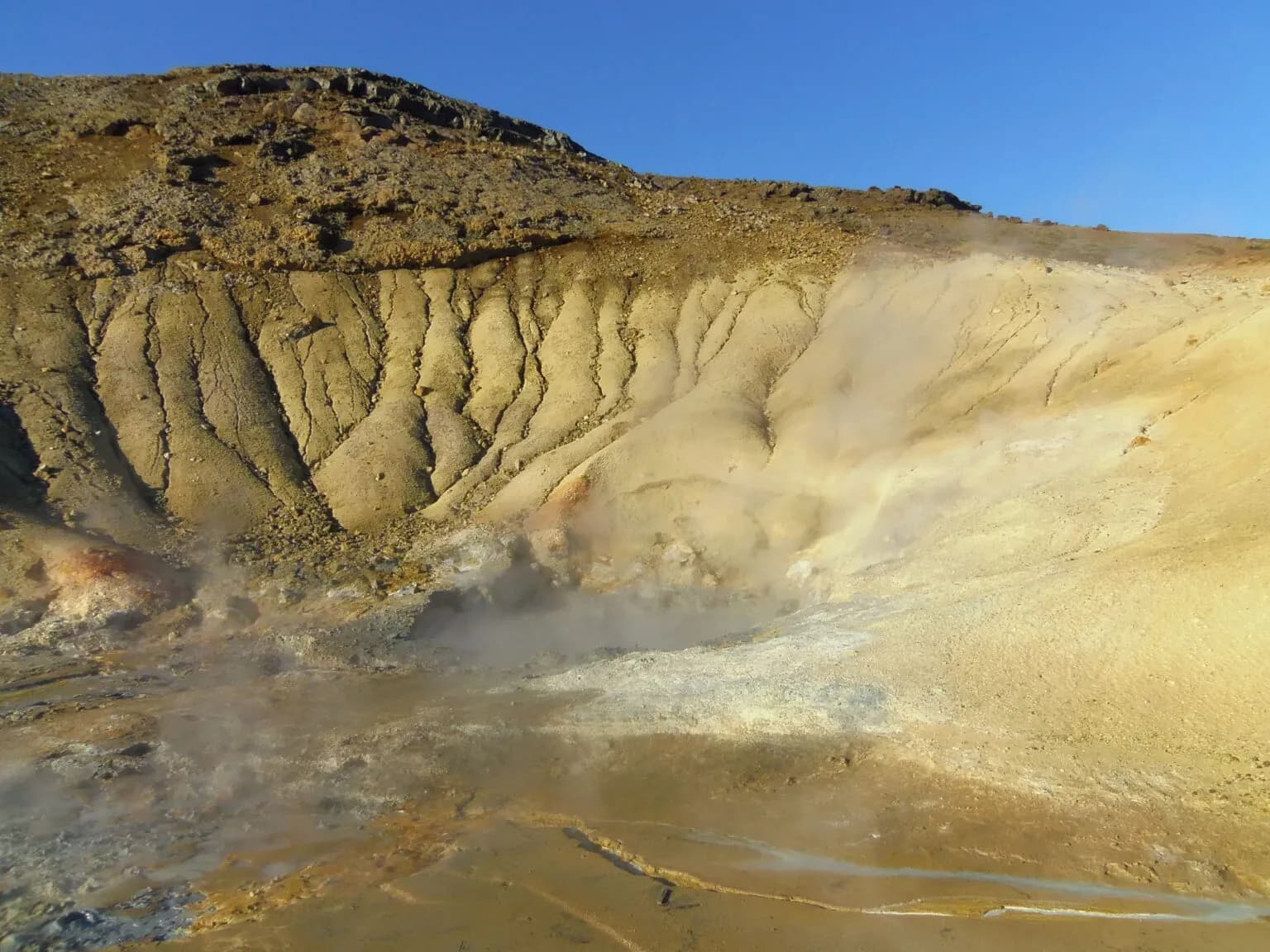
GSEU – a geological service for Europe
EuroGeoSurveys
We aim to contribute to the European Green Deal, the UN Sustainable Development Goals and the Horizon Europe objectives through the development of a Geological Service for Europe, which focuses on the planet itself: the earth beneath our feet.
Learn more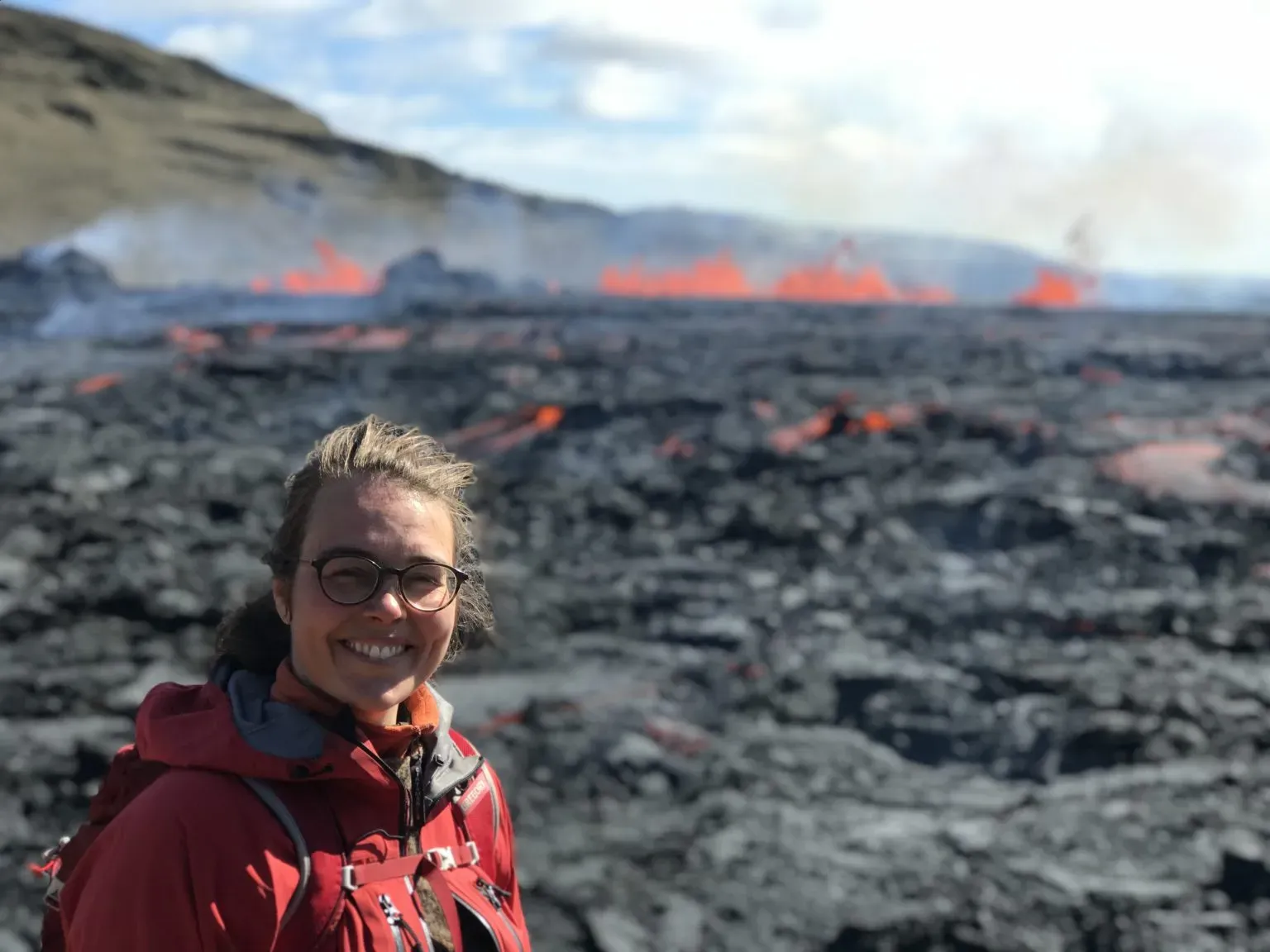
EPOS – geohazard exploitation platform
Veðurstofa Íslands
EPOS Iceland aims at building electronic infrastructure in Iceland in the form of robust data services, which are set up and operated at the Icelandic Met Office. The services are directly connected to the central data service of EPOS ERIC, which provides access to important multidisciplinary geoscientific data from Iceland and allows processing and joint interpretation with the international geoscientific data held there.
Learn more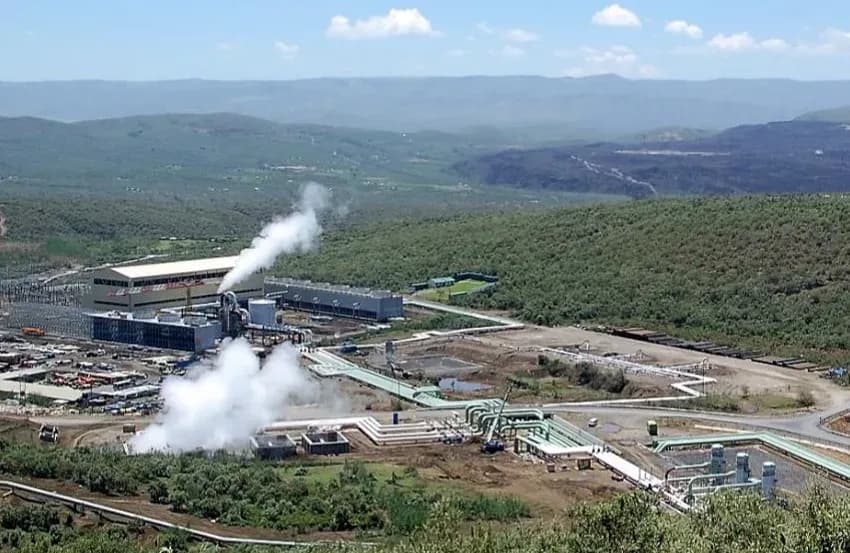
COMPASS – casing & cementing of deep wells
ON Power
The project concerns the preparation for deep drilling and aims at solutions so that casings can withstand the strain that arises when high-temperature wells heat up. This is to be done, among other things, by examining cementing with "foam cement", a light and flexible cement that reduces the load on the casing. A method will be developed for releasing the pressure that builds up between casings (ÍSOR), corrosion protection by cladding will be specially examined, and corrosion tests will be carried out at the surface and down the well with a logging wire (ÍSOR). An integrated casing system designed to withstand supercritical conditions (including the use of expansion joints) will be tested in experiments at SINTEF in Norway, which also handles the simulation of boreholes.
Learn more
EMODnet – European marine observation & data network
EuroGeoSurveys
Using lessons learned from previous phases, the consortium will continue to compile fragmented marine data products, making them available through the EMODnet Central Portal following optimisation and testing in Call for tenders EASME/2020/OP/0006 – [Lot 2 – Geology] Consortium GTK – Technical offer EGDI, the European Geological Data Infrastructure, and in home systems of work-package (WP) leaders. The portal will also provide access to data and metadata held by each participating organisation, allowing end users to assess the quality of data products, and providing them with an opportunity to create their own maps or models. Data products will be compiled at a scale of 1:100,000 or finer using the standards developed during the previous EMODnet Geology projects. At the same time, the consortium will continue to improve 1:250,000 and 1:1,000,000 data products generated during earlier EMODnet phases, as they have specific value for supra-regional to pan-European end use and visualisation. The smaller-scale products, although very informative, are more fragmentary.
Learn more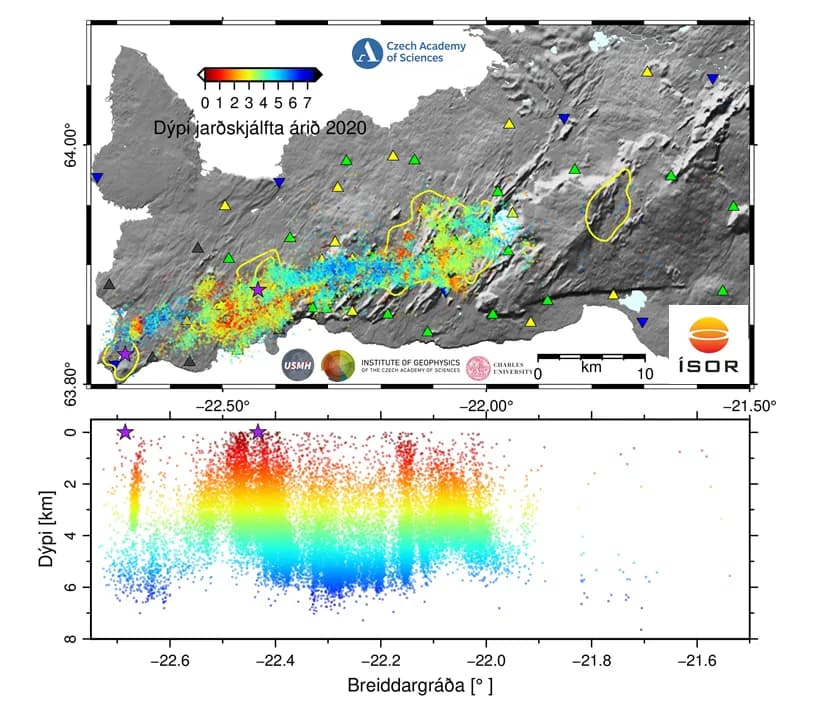
NASPMON – natural seismicity for geothermal exploration
Czech Academy of Sciences
NASPMON is a four-year collaborative project between Iceland and the Czech Republic; specifically ÍSOR and two institutes within the Czech Academy of Sciences (CAS), as well as the Faculty of Science of Charles University in Prague. The NASPMON project builds on decades of informal cooperation between ÍSOR and CAS; the Academy has operated 15 seismometers on the Reykjanes Peninsula in collaboration with ÍSOR since 2013.
Learn more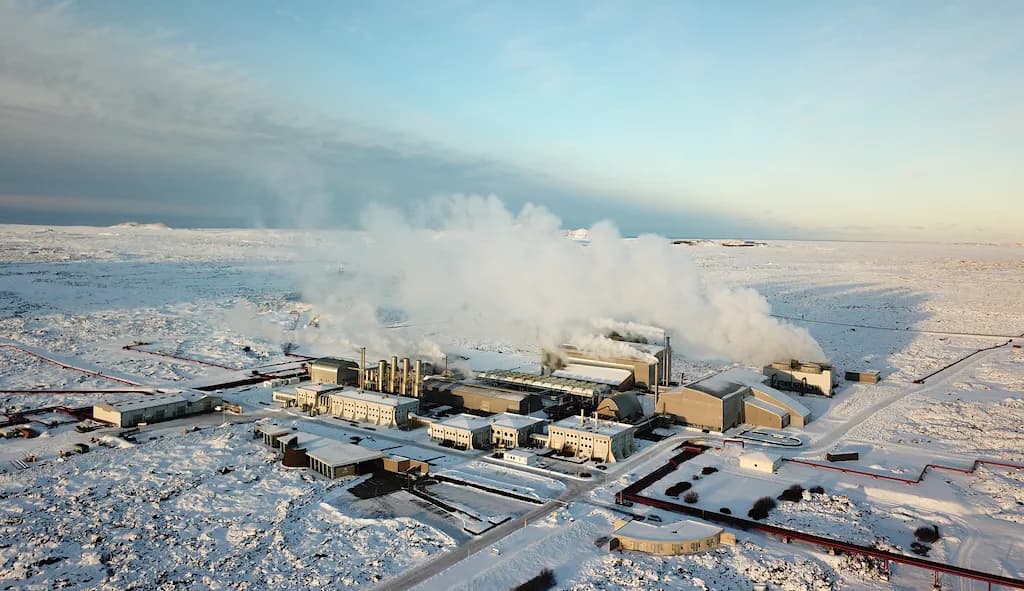
GECO – geothermal emission control
Orkuveita Reykjavíkur
The aim of the GECO project is to develop economical methods to reduce carbon emissions — carbon dioxide (CO2) and hydrogen sulphide (H2S) — from geothermal power plants in Europe and throughout the world. The project builds largely on the CarbFix injection method that has been developed at the Hellisheiði power plant over the past decade. There, carbon dioxide and hydrogen sulphide are dissolved in water and injected down into the bedrock, where they bind into the minerals calcite and pyrite. The method will now be developed further and injection tried in Italy, Turkey and Germany. In addition, work will be done on utilising geothermal gas species, the key to which is to separate hydrogen sulphide and carbon dioxide. Within GECO, work will also be done on methods for environmental monitoring of geothermal areas and on increasing understanding of the behaviour and fate of the geothermal gas after injection.
Learn more