

Projects
Projects
A selection of our research projects, ongoing and completed.
Projects
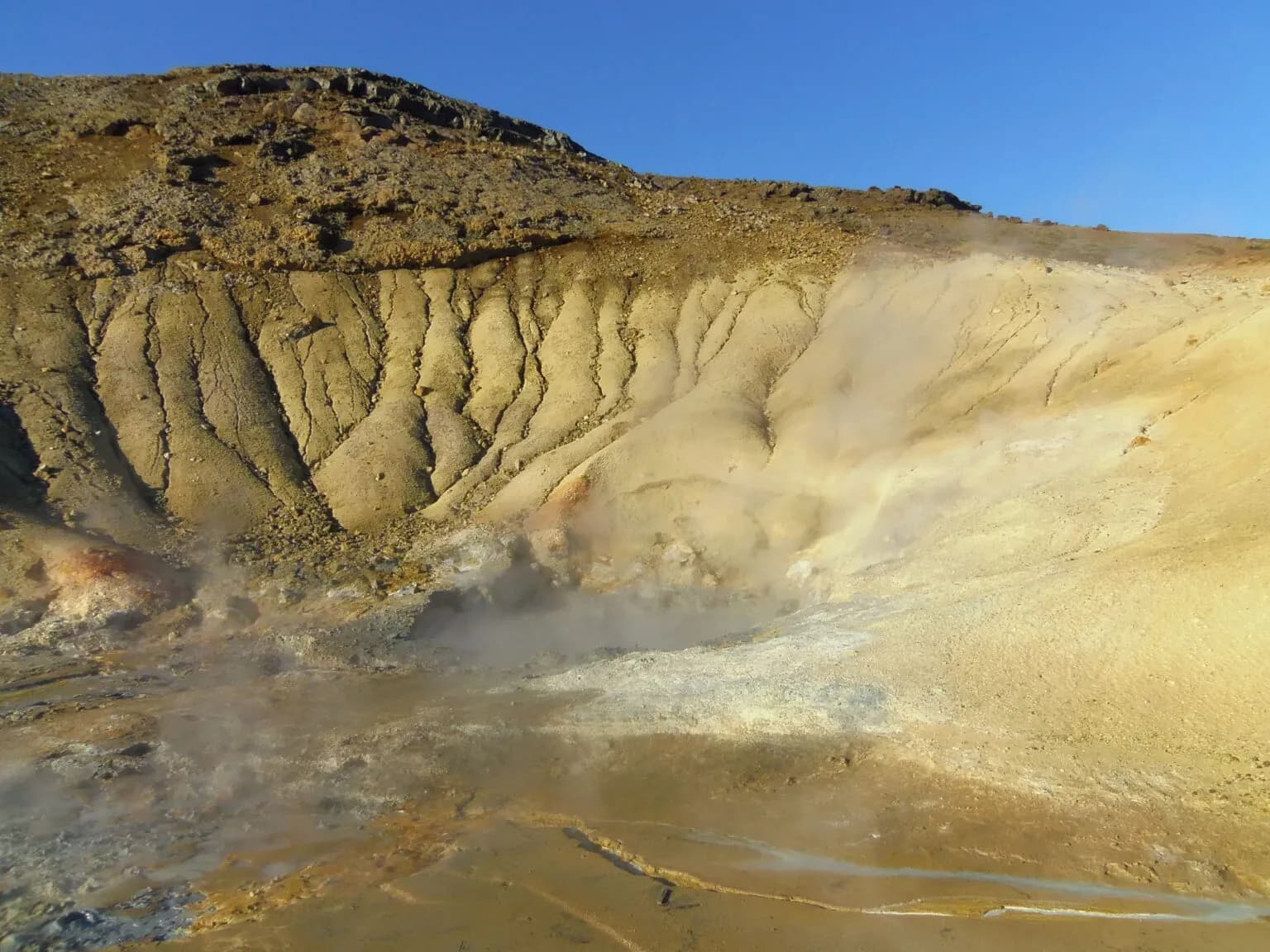
GSEU – a geological service for Europe
EuroGeoSurveys
We aim to contribute to the European Green Deal, the UN Sustainable Development Goals and the Horizon Europe objectives through the development of a Geological Service for Europe, which focuses on the planet itself: the earth beneath our feet.
Learn more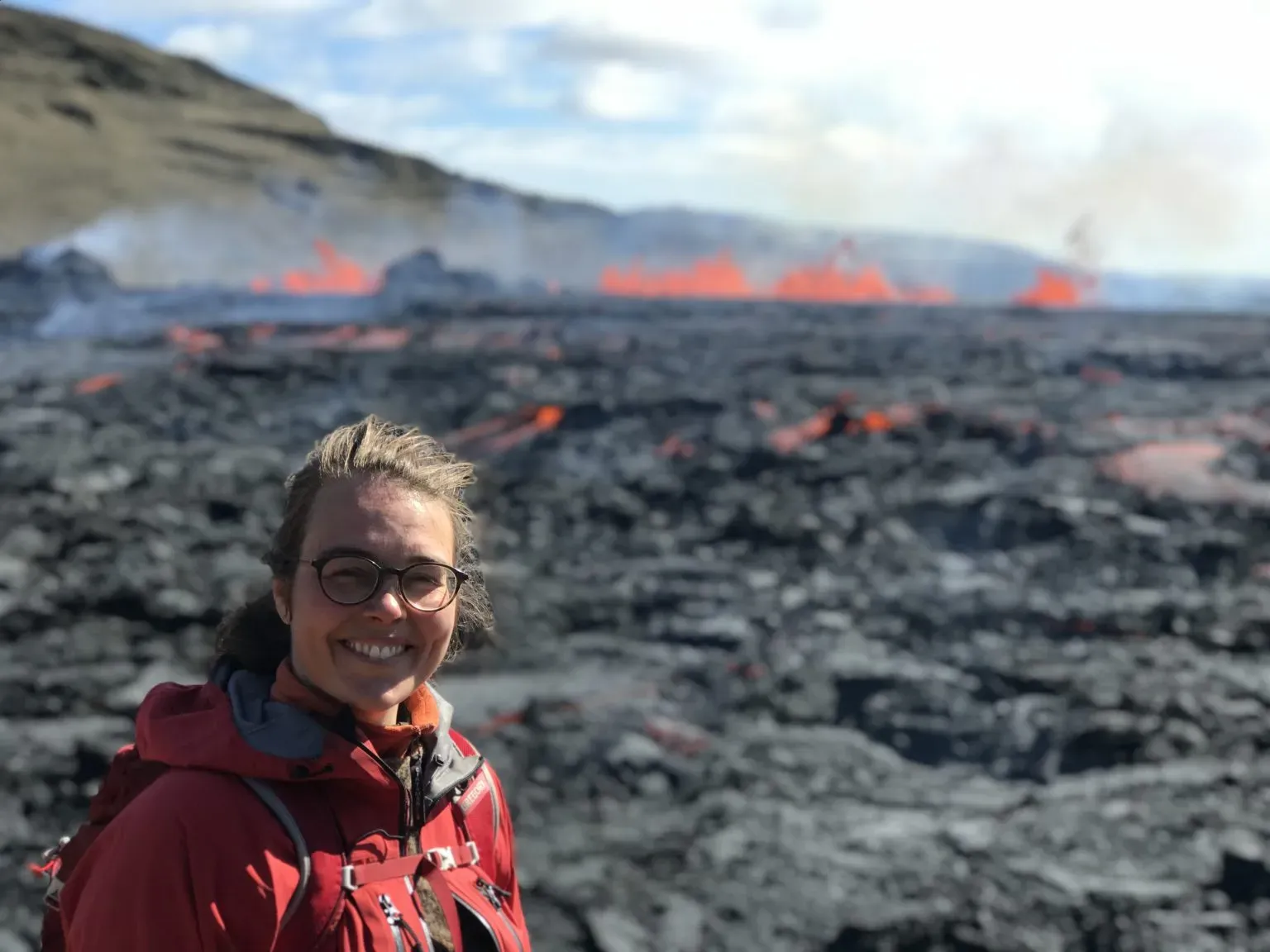
EPOS – geohazard exploitation platform
Veðurstofa Íslands
EPOS Iceland aims at building electronic infrastructure in Iceland in the form of robust data services, which are set up and operated at the Icelandic Met Office. The services are directly connected to the central data service of EPOS ERIC, which provides access to important multidisciplinary geoscientific data from Iceland and allows processing and joint interpretation with the international geoscientific data held there.
Learn more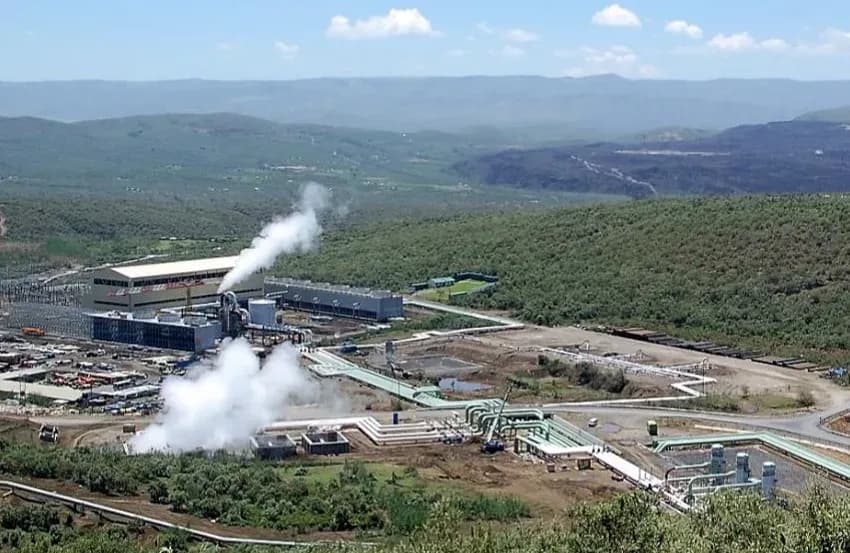
COMPASS – casing & cementing of deep wells
ON Power
The project concerns the preparation for deep drilling and aims at solutions so that casings can withstand the strain that arises when high-temperature wells heat up. This is to be done, among other things, by examining cementing with "foam cement", a light and flexible cement that reduces the load on the casing. A method will be developed for releasing the pressure that builds up between casings (ÍSOR), corrosion protection by cladding will be specially examined, and corrosion tests will be carried out at the surface and down the well with a logging wire (ÍSOR). An integrated casing system designed to withstand supercritical conditions (including the use of expansion joints) will be tested in experiments at SINTEF in Norway, which also handles the simulation of boreholes.
Learn more
EMODnet – European marine observation & data network
EuroGeoSurveys
Using lessons learned from previous phases, the consortium will continue to compile fragmented marine data products, making them available through the EMODnet Central Portal following optimisation and testing in Call for tenders EASME/2020/OP/0006 – [Lot 2 – Geology] Consortium GTK – Technical offer EGDI, the European Geological Data Infrastructure, and in home systems of work-package (WP) leaders. The portal will also provide access to data and metadata held by each participating organisation, allowing end users to assess the quality of data products, and providing them with an opportunity to create their own maps or models. Data products will be compiled at a scale of 1:100,000 or finer using the standards developed during the previous EMODnet Geology projects. At the same time, the consortium will continue to improve 1:250,000 and 1:1,000,000 data products generated during earlier EMODnet phases, as they have specific value for supra-regional to pan-European end use and visualisation. The smaller-scale products, although very informative, are more fragmentary.
Learn more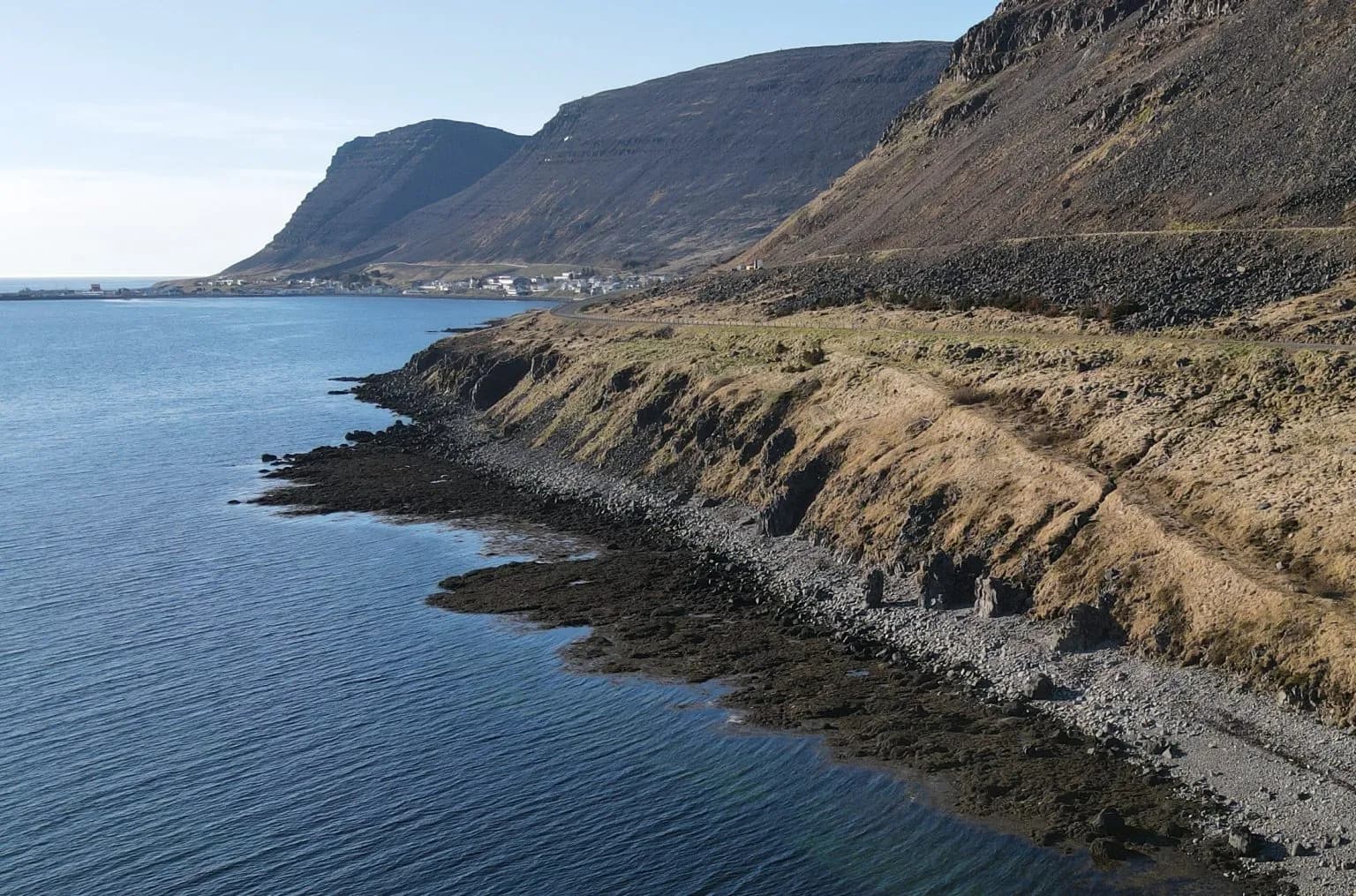
Drone-based magnetometry
Jarðvísindastofnun HÍ
The equipment consists of a magnetometer and a drone. The magnetometer is a MagArrow from Geometrics and is specially made for measurements with a drone, but can also be used for measurements from a helicopter or aeroplane. The drone is a DJI Matrice 600 Pro. The equipment is intended to add to the capacity already available in geophysical exploration in Iceland, where the equipment for such measurements is mainly held by ÍSOR and the University of Iceland. There is cooperation on equipment build-up and this equipment is part of it.
Learn more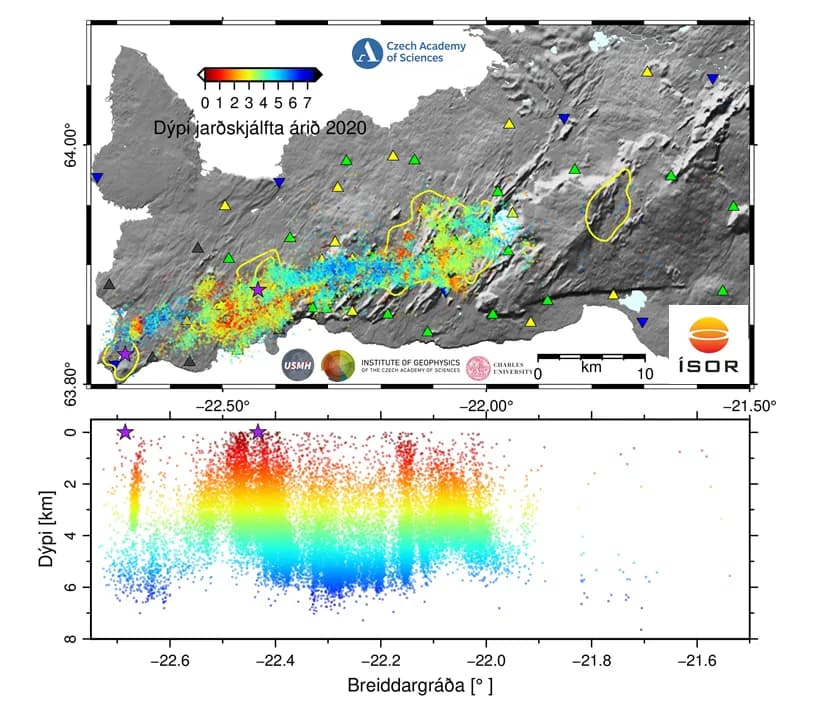
NASPMON – natural seismicity for geothermal exploration
Czech Academy of Sciences
NASPMON is a four-year collaborative project between Iceland and the Czech Republic; specifically ÍSOR and two institutes within the Czech Academy of Sciences (CAS), as well as the Faculty of Science of Charles University in Prague. The NASPMON project builds on decades of informal cooperation between ÍSOR and CAS; the Academy has operated 15 seismometers on the Reykjanes Peninsula in collaboration with ÍSOR since 2013.
Learn more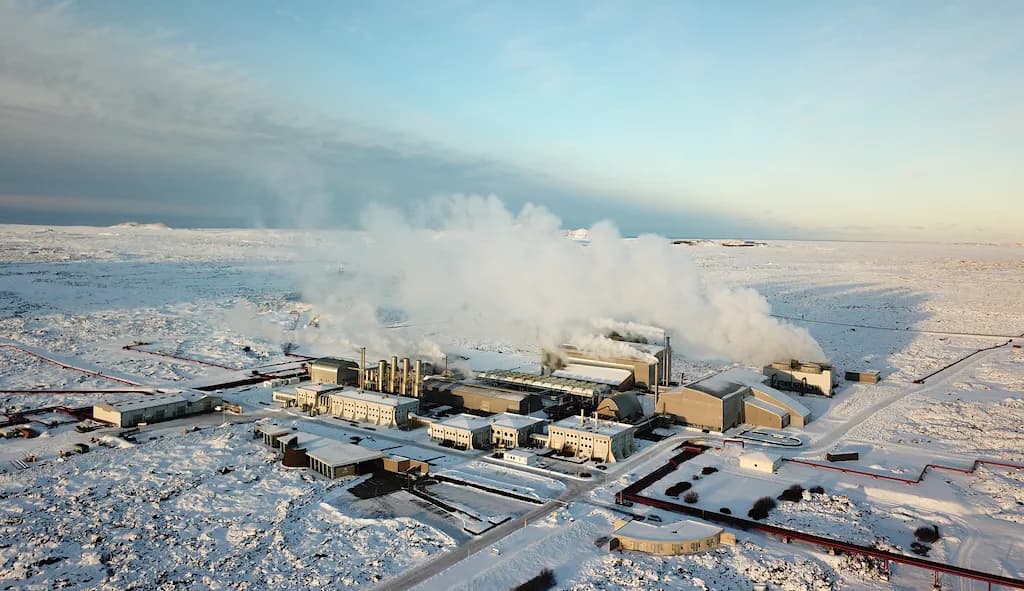
CO2SeaStone – mineral carbon storage using seawater
Carbfix
The aim of the project is to bring together universities and research institutions in Iceland and in Europe to further develop Carbfix mineralisation of CO2 and to make it possible to use seawater for injection. Laboratory experiments, carried out partly by the University of Iceland, have already shown positive results under controlled conditions, but a high concentration of dissolved elements in seawater can hinder the formation of carbonates and create undesirable precipitates.
Learn moreGEMGAS – geo-electrical monitoring of H₂S sequestration
Orka náttúrunnar
H2S emissions from geothermal power plants create air pollution, similar to CO2, and the conversion / mineralisation / disposal of the gas into minerals is today the most desirable way to handle geothermal emissions. The aim of the project is to test and develop various geophysical methods that can be applied to the monitoring of mineral uptake of subsurface gas and to follow what is in fact happening beneath the surface.
Learn more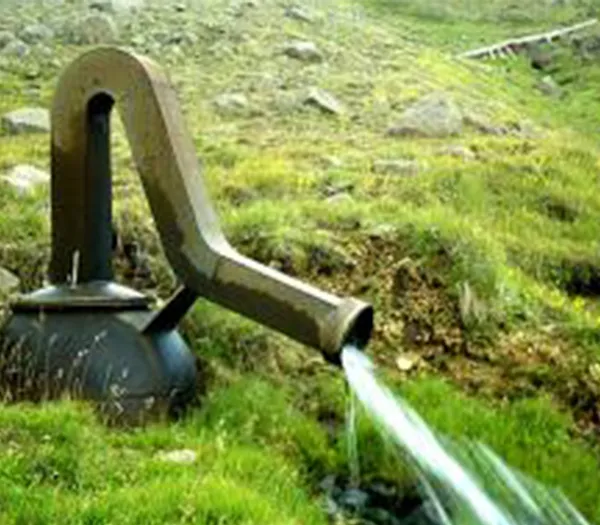
RESULT – enhancing reservoirs in urban areas
TNO
For green cities (mission Horizon Europe), geothermal energy is expected to be used widely in urban areas for heating instead of fossil fuels. Geothermal utilisation in urban areas can be complex — even though the geothermal systems are relatively well known. The main aim is to demonstrate the possibility of a 30–100% increase in the main geothermal use for heating in urban areas in the northern part of the EU. RESULT achieves this by applying 1) optimisation methods and drill-and-learn approaches, 2) model calculations and uncertainty assessment, 3) using the best technology, 4) optimising methods for different conditions in Europe. The innovations will be 5) used in the design and drilling of doublet wells in the Netherlands.
Learn more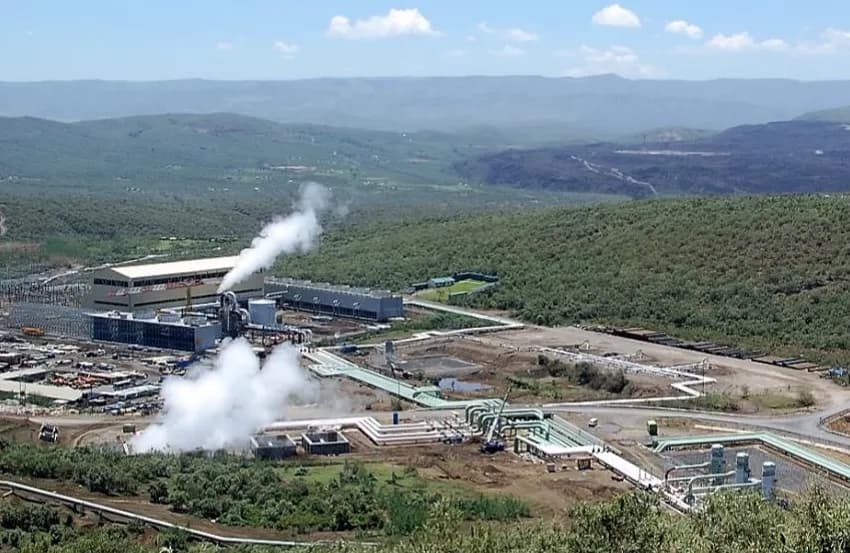
DEEPEN – geothermal exploration in magmatic environments
Orkuveita Reykjavíkur
The main aim of the project is to use the so-called Play Fairway Analysis (PFA) methodology to assess the likelihood of successful geothermal prospecting in volcanic areas and, in the process, to improve it. In short, the method consists of using diverse geoscientific data to determine the likelihood of high temperature and good permeability in the ground. The method is well known in the oil and gas industry and has produced good results in the search for subsurface resources. Now it is time to develop this method for geothermal prospecting in a volcanic environment.
Learn moreREFLECT – geothermal fluid properties at extreme conditions
GFZ Potsdam
In this project, attention is directed at the geothermal fluid itself and its nature. Solutions will be sought to the various chemistry problems that may arise at the production stages of geothermal energy. The aim of the project is to increase efficiency in all geothermal operations and to make geothermal utilisation as economical as possible, so that the use of fossil fuels can be reduced. ÍSOR's part concerns in particular investigating how chemical samples can be taken from geothermal fluid at great depth (3–5 km), where the temperature and pressure are much higher than has previously been worked with.
Learn moreGECO – geothermal emission control
Orkuveita Reykjavíkur
The aim of the GECO project is to develop economical methods to reduce carbon emissions — carbon dioxide (CO2) and hydrogen sulphide (H2S) — from geothermal power plants in Europe and throughout the world. The project builds largely on the CarbFix injection method that has been developed at the Hellisheiði power plant over the past decade. There, carbon dioxide and hydrogen sulphide are dissolved in water and injected down into the bedrock, where they bind into the minerals calcite and pyrite. The method will now be developed further and injection tried in Italy, Turkey and Germany. In addition, work will be done on utilising geothermal gas species, the key to which is to separate hydrogen sulphide and carbon dioxide. Within GECO, work will also be done on methods for environmental monitoring of geothermal areas and on increasing understanding of the behaviour and fate of the geothermal gas after injection.
Learn more